Is Morocco safe to visit? A local operator's view
Is Morocco safe to visit? Practical advice from a local tour operator on scams, touts, taxis, dress, solo women travellers and walking around at night.
This is the question we are asked most often, by email, on the phone and at pickup on the first morning. We run tours in Agadir, Taghazout, Marrakech and Fes, and our drivers and guides spend every day with visitors, so this is our honest view of what to watch out for and what not to worry about.
Before anything else, read your own government’s official travel advice for Morocco. It is updated when things change, and it is the source your travel insurance will refer to.
The short answer
For most visitors, Morocco is a safe and welcoming country to travel in. The problems people actually run into are mostly small and annoying: being pushed into shops, paying too much for a taxi, a “guide” who asks for money, or a phone taken from a back pocket in a crowd.
You still need your wits about you, mostly where money and hassle are concerned.
Touts and unofficial guides
In the old medinas of Fes and Marrakech, you will be approached. Young men offer directions, a “short cut”, a visit to the tannery or a look at “the Berber market that is only open today”. Some are friendly and want to practise their English. Some want a commission from a shop. A few will become persistent if you follow them and then decline to pay.
What works:
- A polite, firm “la, shukran” (no, thank you) and keep walking. You do not need to explain.
- If you are lost, ask a shopkeeper or a café owner rather than someone who approaches you.
- If you accept help, agree what it costs first.
- For your first visit to a big medina, book a licensed guide for a morning. Unofficial guides leave you alone when you are already with one.
Common scams to recognise
None of these are dangerous, and all are easy to avoid once you know them:
- “That road is closed” or “the square is that way”: a stranger redirects you, then leads you to a shop or asks for money.
- “The tannery is closed today, I will take you to another”: usually a way to bring you to a particular shop.
- Henna artists who start drawing on your hand before you agree, then ask for a high price. Keep your hands to yourself and say no clearly.
- Photos with snake charmers or monkey handlers in Marrakech’s main square, which come with a payment request. If you take a photo, expect to pay something.
- Overpriced menus with no prices. Ask to see prices first.
Taxis and getting around
In cities, small “petit taxis” carry up to three passengers inside town. Ask the driver to use the meter (“compteur”) before you set off, or agree a price. Have small notes, as drivers often say they have no change. Larger “grand taxis” travel between towns and usually work on fixed fares.
Airport arrivals are when people are most tired and most likely to overpay. Many visitors book their ride in advance. Our sister company Transfers.ma handles airport and city transfers that you can book before you fly.
On our tours, pickup and drop-off at your hotel or riad are included, so you do not need taxis to get to the start.
Pickpocketing and your belongings
Crowded places like Jemaa el-Fna in Marrakech, the busy souks and bus stations are where pickpockets work, as in any big city.
- Carry your phone and wallet in a front pocket or a zipped bag.
- Leave your passport in the hotel safe and carry a photo or copy.
- Do not leave bags hanging on the back of a café chair.
- Keep valuables out of sight on the beach in Agadir and Taghazout while you swim.
What to wear
Morocco is a Muslim country, and dress in towns is more conservative than in many parts of Europe. Nobody expects visitors to cover their hair, but covering shoulders and knees in the medinas, in small towns and at religious sites is respectful and attracts less attention. Beachwear is normal on the beach and at the pool in resorts like Agadir, and out of place in town.
For Moulay Idriss near Fes, or any working mosque area, dress more modestly still. Non-Muslims cannot enter most mosques in Morocco.
Solo women travellers
Many women travel in Morocco alone, and many of our guests are women on their own or in pairs. The most common issue is unwanted attention in the street: comments, “hello, beautiful”, or men walking alongside for a while. In most cases it is tiresome, and it stops when you keep walking.
Things that help:
- Loose clothing that covers shoulders and knees.
- Walking with purpose, even when you are not sure where you are going. Stop in a shop or café to check your map.
- Not engaging with comments. Silence is a full answer.
- Choosing a riad or hotel with good recent reviews from women travellers.
- Asking your riad to arrange a guide for the first medina walk, or joining a small group.
- If someone does not take no for an answer, walk into a shop or towards a group of women or families and ask for help. Tourist police patrol the main tourist areas.
Walking at night
The main streets and squares in Marrakech, Fes, Agadir and Taghazout are lively in the evening, with families out late, especially in summer. After that, the narrow lanes of the medinas empty out and can be very dark.
- Learn the route back to your riad in daylight.
- Late at night, take a taxi to the gate nearest your riad, or ask the riad to send someone to meet you.
- Keep your phone charged and save your riad’s address and phone number offline.
- On the beach in Agadir, stay on the lit promenade at night.
Food, water, sun and the road
Health issues catch out more visitors than crime does. Drink bottled water if you are not used to the local tap water, and be careful with salads and ice in the first few days. Take the sun seriously from spring to autumn, especially on desert and mountain trips. Roads between cities can be busy, and driving styles may feel different from home, which is one reason many people prefer a driver to renting a car.
Where to start if you are nervous
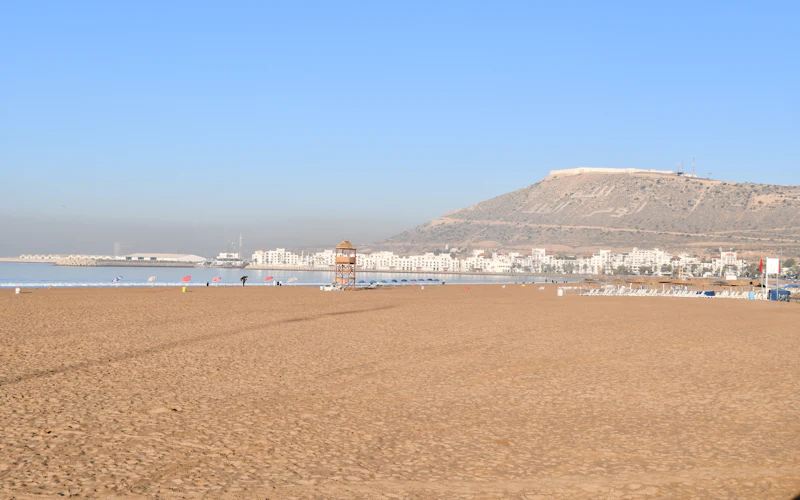
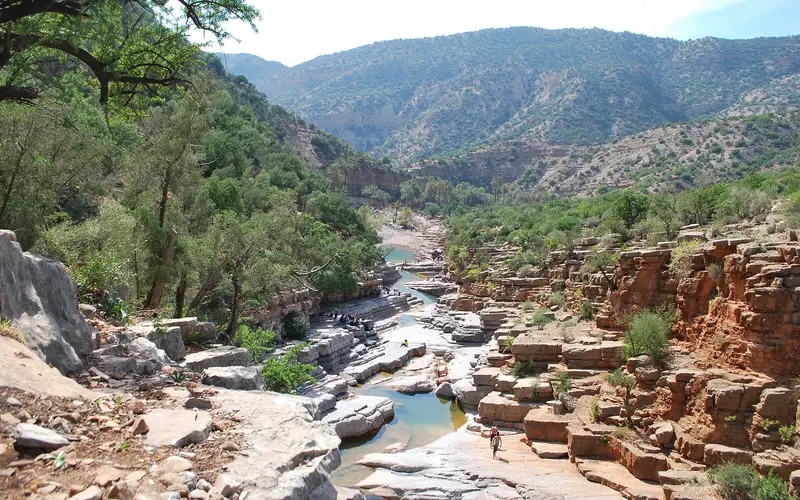
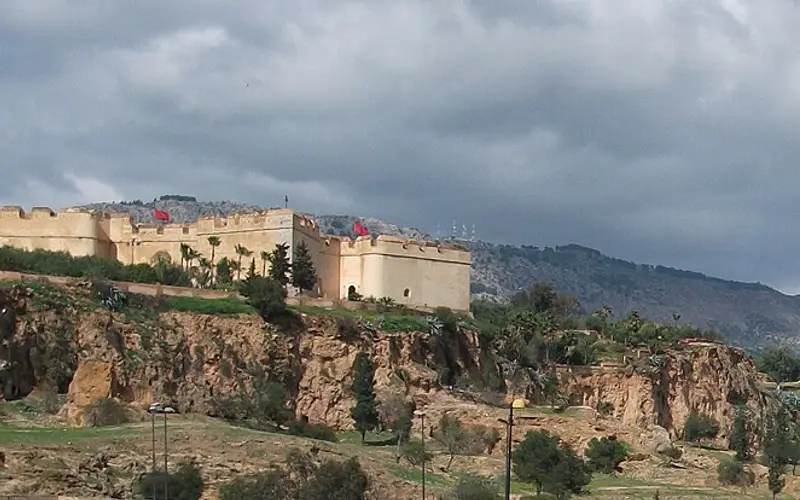
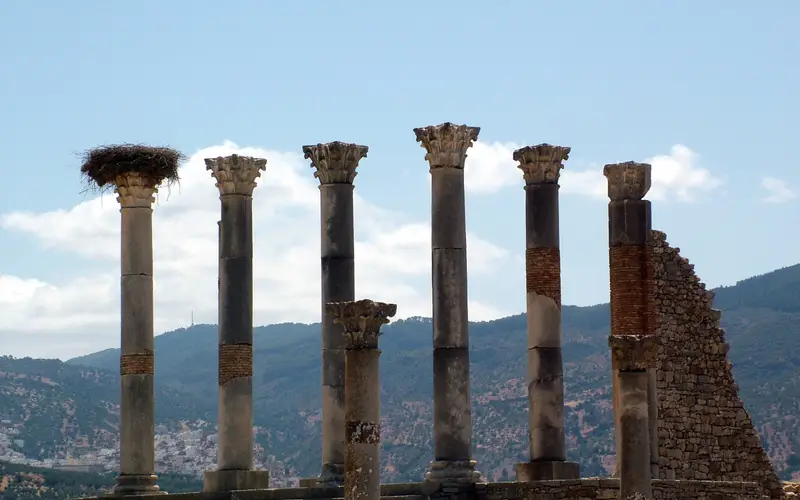
A guided first day helps a lot. Our Agadir city tour is an easy introduction on the coast. In Fes, the private Fes ramparts panoramic tour (from 46 € for one to three people) shows you the layout of the medina from above before you walk in. Day trips such as Paradise Valley from Agadir or Volubilis and Meknes from Fes include pickup from your hotel, so you travel with someone who knows the area.
Check your government’s travel advice, buy travel insurance, and if you have a specific worry about your trip, send us a message with your dates and where you are staying. We will tell you honestly what to expect.
Frequently asked questions
Is Morocco safe for tourists?
Most visitors travel without any serious problem. The issues most visitors face are petty: pushy touts, overcharging, unofficial guides and occasional pickpocketing in crowded places. Check your own government's official travel advice before you go.
Is Morocco safe for solo female travellers?
Many women travel alone in Morocco and enjoy it. Verbal comments and unwanted attention in the street are the most common complaint. Dressing modestly, walking with purpose, ignoring comments and staying in well-reviewed riads all help.
Is it safe to walk in the medina at night?
The main lanes are usually busy and fine in the evening. Late at night, the smaller lanes get empty and dark. Stick to routes you know, take a taxi to the nearest gate, or ask your riad to walk you back.
Are taxis safe in Morocco?
Official taxis are generally safe. The common problem is price. In cities, ask for the meter in petit taxis or agree a fare before you get in, and have small notes ready.